A place to begin
Early Recovery Support
A steady next step for someone who:
- Just left treatment, IOP, or sober living
- Wants extra accountability
- Has relapsed and needs guidance
- Is building a recovery routine
“Recovery isn’t simply about stopping a behavior. It’s about creating a life you no longer want to escape from.”
Professional experience, lived recovery, and a deeply personal belief that meaningful change is possible.
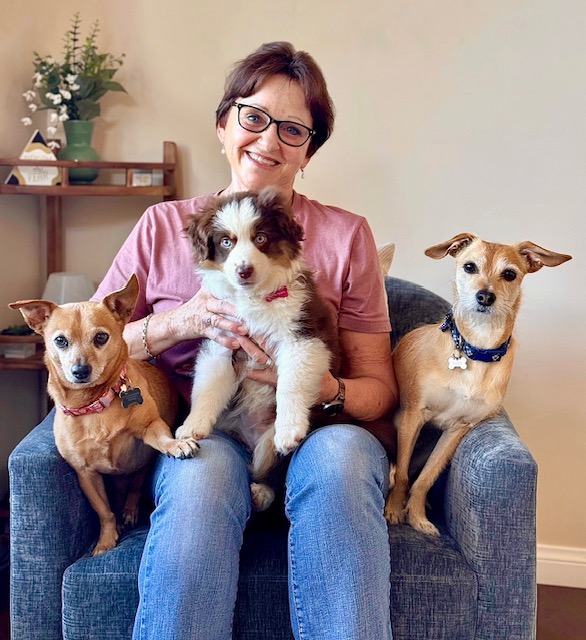
Recovery is not just something I have taught for more than two decades—it is something I have lived.
For over 21 years, I worked as a program director in two respected Ventura County treatment centers, supporting people navigating addiction, codependency, eating disorders, trauma, and major life change. I have also maintained my CAADE counseling certification for more than 22 years.
My connection to recovery is deeply personal. I have been sober for more than 23 years, recovered from a 25-year struggle with bulimia nervosa, and worked through the effects of growing up with alcoholic and emotionally unavailable parents.
Those experiences shape the way I work today—with compassion, honesty, accountability, and without judgment. I believe recovery is not about becoming someone entirely new. It is about uncovering the person who has always been there beneath the pain.
Recovery looks different for everyone. For some, it includes AA. For others, it may involve CBT (Cognitive Behavioral Therapy) and healthier relationships, spiritual growth, or simply having someone beside them who truly understands.
My role is not to tell you what your recovery should look like. My role is to help you discover what freedom can look like for you.
“At the moment of commitment, the universe conspires to support us.”
— Goethe
Coaching can really help the individual who is in the contemplative or preparation stage of change.
Going into treatment is a huge commitment and can cause a great deal of anxiety for people who are afraid they will lose their job, or mothers having to leave their children. Coaching can be the bridge that helps make the decision if treatment is necessary.
Also, A.A. can be intimidating. Atheists and agnostics can struggle with religious concepts within the program. I am able to clearly explain the freedom that an individual can find in fitting their personal belief system into the spiritual principles of AA.
If AA is not a fit for the individual, I believe there are other successful roads to recovery by using CBT and spiritual concepts.
Personalized support tailored to where you are in your recovery journey.
Clear, realistic goals that move you forward at a pace that feels right.
Understanding the nature of addiction and how recovery works.
Consistent check-ins that help you stay aligned with your intentions.
Practical tools and planning to strengthen resilience.
A compassionate space to process what you're going through.
Loving someone with an alcohol or substance use problem takes its own toll. Drawing on Al-Anon principles and decades of experience working alongside families in treatment, I offer coaching specifically for spouses, parents, adult children, and other loved ones who need support of their own.
This support is available whether your loved one is in treatment, resistant to it, or already in recovery. Learn more about Al-Anon and who qualifies on the For Families page.
Recovery coaching can meet you at the beginning of change or support you as you continue building a meaningful life in recovery.
A place to begin
A steady next step for someone who:
A place to keep growing
For people with months or years sober who want continued emotional and spiritual growth, stronger routines, and support staying connected to the life they have built.
Recovery coaching is practical, encouraging, and forward-focused—with clear boundaries around clinical care.
What you can expect
Clear professional boundaries
Recovery coaching is not therapy, medical advice, or clinical diagnosis. When clinical or medical care is needed, coaching can work alongside—not replace—qualified professionals.
Stories of hope and change from people who have walked this path.
"I came broken and unsure, but through the compassion and steady guidance I found here, I began to rebuild. Recovery finally feels possible."
"The accountability and genuine care made all the difference. I finally understood that I didn't have to do this alone."
"Janine's experience — both professional and personal — gave me hope. She met me where I was, without judgment."
Moments of connection, healing, and the gentle presence of the dogs.

A story each month to reflect on, and a space to talk about it together.
Loading…
Videos, meeting lists, reading, and trusted recovery resources selected by Fox & Paws.
Find meetings, literature, and general information from Alcoholics Anonymous.
View ResourceConfidential treatment referral and information: 1-800-662-HELP (4357).
Call or text 988 for immediate crisis support in the United States.
“You Didn’t Cause It, You Can’t Control It, and You Can’t Cure It.”
Addiction affects the entire family. Loving someone who is struggling with alcohol or drugs can mean living with constant worry, walking on eggshells, trying to prevent consequences, or becoming so focused on their choices that you begin to lose your own boundaries and sense of stability.
Behaviors sometimes called “enabling” often begin as attempts to help, protect, or survive. Family coaching can help you recognize the difference between helping and rescuing, supporting and enabling, compassion and taking responsibility.
A boundary is about what you will do—not about controlling another person.
You can love someone deeply while choosing not to lie for them, rescue them from consequences, financially support their addiction, or participate in conversations when they are under the influence.
Healthy support allows you to remain compassionate without taking responsibility for another person’s recovery.
You do not have to wait for your loved one to seek help before beginning your own recovery. Support may include Al-Anon, Nar-Anon, family recovery groups, therapy, individual coaching, journaling, healthy friendships, and learning to set boundaries.
Lived Experience
Janine grew up in an alcoholic home and understands firsthand the fear, instability, shame, and self-doubt addiction can create within a family.
Her own healing included therapy, Al-Anon, Codependents Anonymous, and more than 22 years of working with family members and facilitating family groups.
She offers coaching specifically for spouses, parents, adult children, siblings, and other loved ones of chemically dependent individuals.
What Families Need to Know
Loving someone with an addiction does not mean taking responsibility for their recovery.
$100 per session
Session time is flexible to meet the needs of the client.
Four sessions paid up front: $75 per session
The client will receive support as needed between sessions.
I do not take insurance.
Please contact me to discuss your goals and determine whether recovery coaching is a good fit for you.
Three generations of dogs have worked with me in treatment. Clients requested the dogs attend groups, conjoint and individual sessions — and even their graduating ceremonies.
I was informed that the dogs helped reduce their anxiety and depression and made them feel happy, and added a "normal" feeling to a very challenging and scary time in their lives.
Studies have proven the powerful gifts these animals can have in reducing the psychological stress response, anxiety, fear, and other nervous disorders in the traumatized individual. The dogs encourage quicker bonding between the clinician and the client. This bonding is the foundation of the client/clinician relationship. It allows the client to feel secure and safe, which lowers fear of judgement and improves health and treatment success.
You don't have to do this alone.
Phone: (818) 961-4203
Email: janinemfox@gmail.com
Location: Ventura County • Telehealth available
Hours: By appointment
Messages are typically returned within one business day. Please keep initial messages general.